Clinics Checked · 2 min · 1 sources
DEXA scans for body composition: what you get for the money
A low-dose X-ray scan that shows where your fat, muscle and bone are. Searched 18,100 times a month in Australia, and offered everywhere from clinics to gyms.
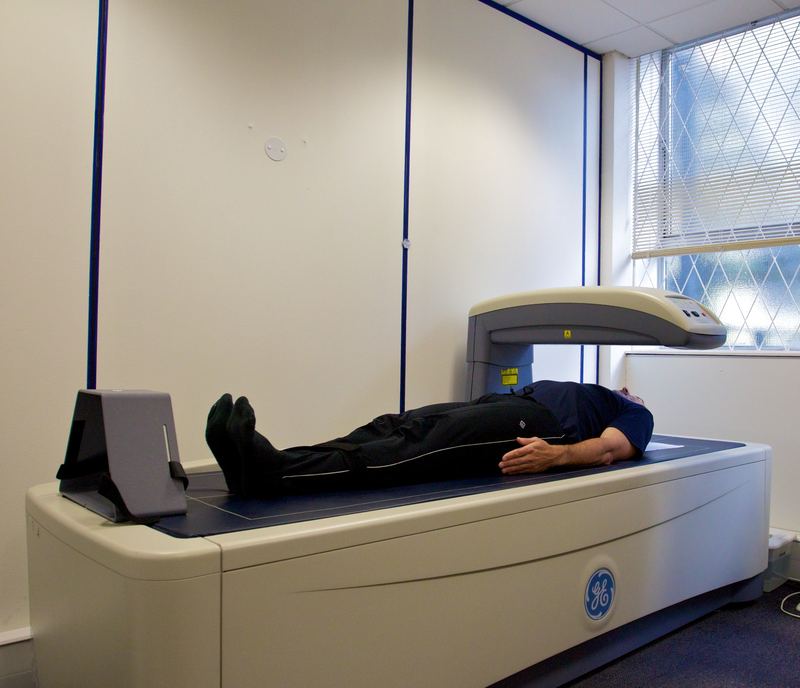
DEXA, or DXA, stands for dual-energy X-ray absorptiometry. It was built to measure bone density, and the same machines can map the whole body into fat, lean tissue and bone. That is why it is often called the gold standard for body composition.

What it measures
CHOICE, the consumer group, explains that DEXA does more than give a body-fat percentage: it shows where the fat is. That matters most for visceral fat, the fat stored around the organs inside the abdomen, which is linked to type 2 diabetes and heart disease and is hard to judge from the outside.
What it costs
CHOICE booked a session at a large clinic in the Sydney CBD and paid $160 for 30 minutes: the scan and a review afterwards with an accredited exercise physiologist. Its reporter found operators offering scans in gyms and clinics and through personal trainers, and noted that the value lies in how well the results are explained.
Yes, but
A DEXA scan uses a small dose of ionising radiation, so it is not something to repeat every few weeks. A scan is a snapshot; it cannot tell you why your numbers are what they are.
When to talk to your GP
If you want a bone-density scan for osteoporosis risk, your GP can tell you whether you qualify for one through Medicare, which is a different referral from a body-composition scan.
Sources
General information, not medical advice. Check with your GP first, especially if you are pregnant, have a heart condition or take medication.
Read next
- TrackingContinuous glucose monitorsLow evidence
- TrackingOura Ring and WHOOPMixed evidence
- SupplementsCreatineModerate evidence